
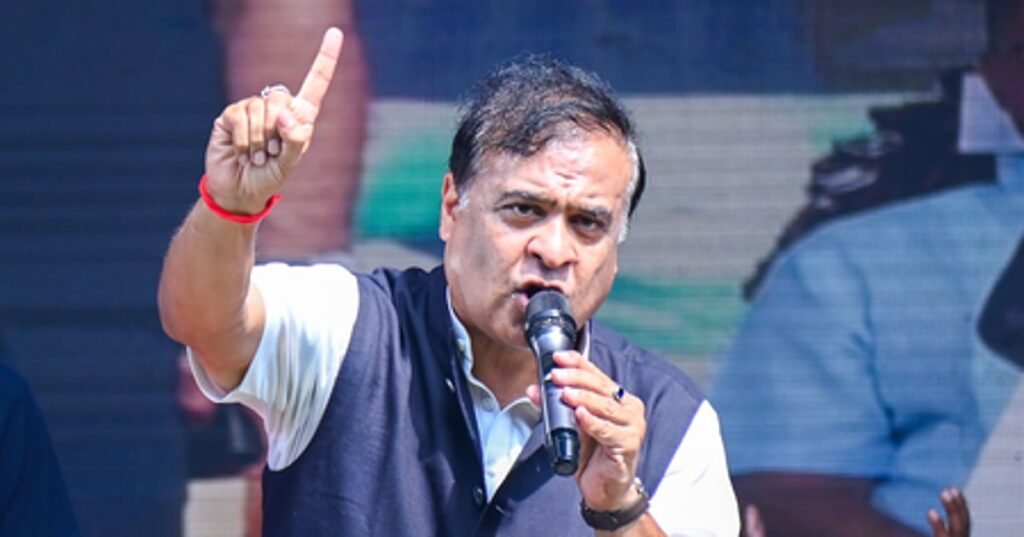
The upcoming 2026 Assam Assembly elections have evolved into a critical personal mandate for Chief Minister Himanta Biswa Sarma and his distinct style of governance. Since taking office in 2021, Sarma has implemented a “high-velocity” administration, marked by bold and often polarizing moves such as the crackdown on child marriage and significant land reforms. This election serves as the first major test of his efforts to blend assertive Hindutva-infused politics with Assamese sub-nationalism. By positioning himself as the primary architect of a “New Assam,” Sarma has made his own leadership the central theme of the campaign, moving away from traditional collective party dynamics.
A key factor in this political referendum is the impact of the 2023 delimitation exercise, which redrew constituency boundaries to favor indigenous interests. This strategy, combined with a controversial “generational shift” that replaced veteran candidates with younger faces, represents a massive gamble on the state’s political future. The election results will ultimately determine whether Sarma’s centralized authority and focus on identity-based governance have created a sustainable new era for the state or if his aggressive reforms have reached a point of diminishing returns with the electorate.
More Stories
Assam Sets Target to Boost Critically Endangered Pygmy Hog Population to 300 by 2040
Renewable Energy Boost for Dampa Villages, Supporting Communities and Conservation
Gaurav Gogoi Approves Congress List for 39 Wards Ahead of Silchar Civic Elections