
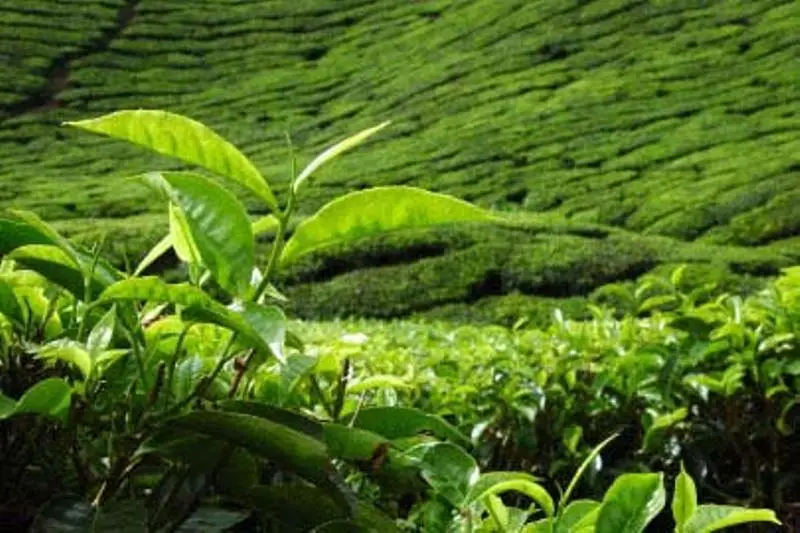
The Confederation of Indian Small Tea Growers’ Associations (CISTA) has formally written to West Bengal Chief Minister Suvendu Adhikari, seeking urgent state intervention to include their plantation land holdings in the state’s farmers’ registry portal. The move comes directly on the heels of a historic decision by the neighboring Assam government to integrate tea and plantation-class land into its centralized digital database. By gaining official entry into the farmers’ registry, North Bengal’s estimated 50,000 small tea growers hope to finally secure the legal status of “farmers,” unlocking a massive array of state and central agricultural welfare benefits—including the Kisan Credit Card (KCC) soft loans, PM-KISAN annual financial assistance, crop insurance (PMFBY), and subsidised irrigation frameworks—from which they have historically been excluded.
The small tea sector has evolved into the absolute backbone of the rural economy in North Bengal, spanning the districts of Jalpaiguri, Darjeeling, Uttar Dinajpur, and Cooch Behar. Although individual growers cultivate small plots averaging less than one hectare, they collectively contribute a staggering 70% of West Bengal’s total CTC tea production, supporting the livelihoods of more than 15 lakh people. Industry leaders argue that because tea leaves are a perishable cash crop requiring intensive, hands-on cultivation, these growers face the same economic vulnerabilities, weather shocks, and market fluctuations as traditional crop farmers. Replicating the “Assam Model” would not only provide a single-platform digital ecosystem for requirement-based fertilizer distribution and institutional credit, but it would also systematically insulate vulnerable growers from the exploitation of local middlemen and leaf-buying agents.
More Stories
Assam Emerges as Global Stronghold for One-Horned Rhinos With 3,260 Animals
NISM, SEBI Host Financial Literacy Quiz in Guwahati, Northeast Students Shine
Houses of Rongmei Naga Residents Burnt Along Jiribam-Tamenglong Border