
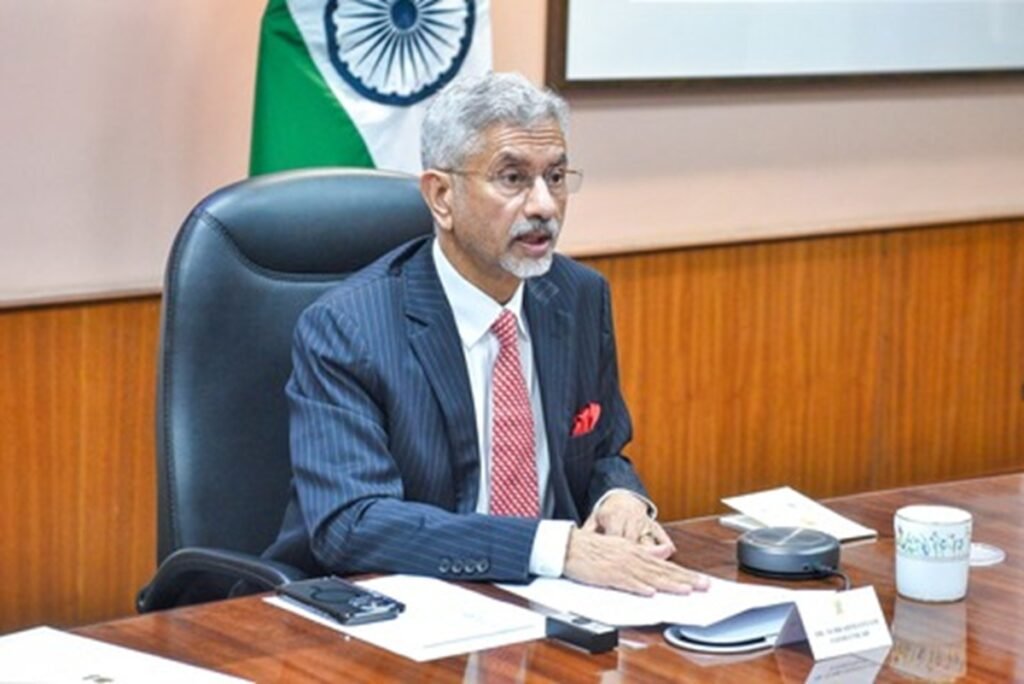
India and New Zealand have signed a long-awaited Free Trade Agreement (FTA), marking a major step forward in bilateral economic relations and opening the door for expanded trade, investment, and workforce mobility between the two countries. Describing the agreement as a turning point in India–New Zealand ties, External Affairs Minister Subrahmanyam Jaishankar said the pact would help strengthen economic cooperation and create new opportunities for businesses, exporters, skilled professionals, and students. The agreement, concluded on April 27 after prolonged negotiations, will allow 100 per cent of Indian exports to enter the New Zealand market without tariffs. In return, India will either remove or substantially reduce duties on 95 per cent of goods imported from New Zealand. The deal was signed in the presence of Union Commerce Minister Piyush Goyal and New Zealand Commerce Minister Todd McClay.
Government officials said the agreement is expected to significantly increase bilateral trade and improve market access for companies in both countries. The sectors likely to benefit the most include textiles, pharmaceuticals, engineering products, agriculture-related industries, and manufacturing. In a statement shared on social media platform X, Jaishankar said the agreement would deepen economic engagement and encourage stronger commercial partnerships.
“The signing of India-New Zealand Free Trade Agreement today is a landmark for our ties. The FTA will forge stronger economic partnerships, boost investments and enhance market access for our exporters,” he said.
The minister added that the agreement would also benefit innovators, entrepreneurs, farmers, micro and small businesses, women-led enterprises, and young professionals. One of the key highlights of the agreement is a proposed investment commitment of nearly $20 billion from New Zealand into India over the next 15 years. Officials believe the investment could support sectors such as infrastructure, technology, clean energy, education, and industrial development.
The pact also includes provisions aimed at improving mobility for skilled Indian workers. Under the agreement, 5,000 visas will be issued annually for professionals in sectors including information technology and healthcare. Analysts say this could create fresh overseas employment opportunities for Indian talent while helping New Zealand address shortages in skilled sectors.
The agreement is also expected to bring relief to thousands of Indian students studying in New Zealand. Easier post-study work visa rules are likely to allow graduates to stay back for employment opportunities after completing their education. Currently, nearly 8,000 Indian students are pursuing higher studies in New Zealand. Jaishankar said the trade deal was finalised in record time under the leadership of Prime Minister Narendra Modi and New Zealand Prime Minister Christopher Luxon.
More Stories
India’s investor revolution has been built on technology, access and education
Vivo T5 Lite 5G Debuts in India Featuring 6,500mAh Battery, 120Hz Display, and Dimensity 6300 Chipset
U.S. Healthcare Cost Crisis and Regulatory Pressures Squeeze Revenue for Indian IT Giants