
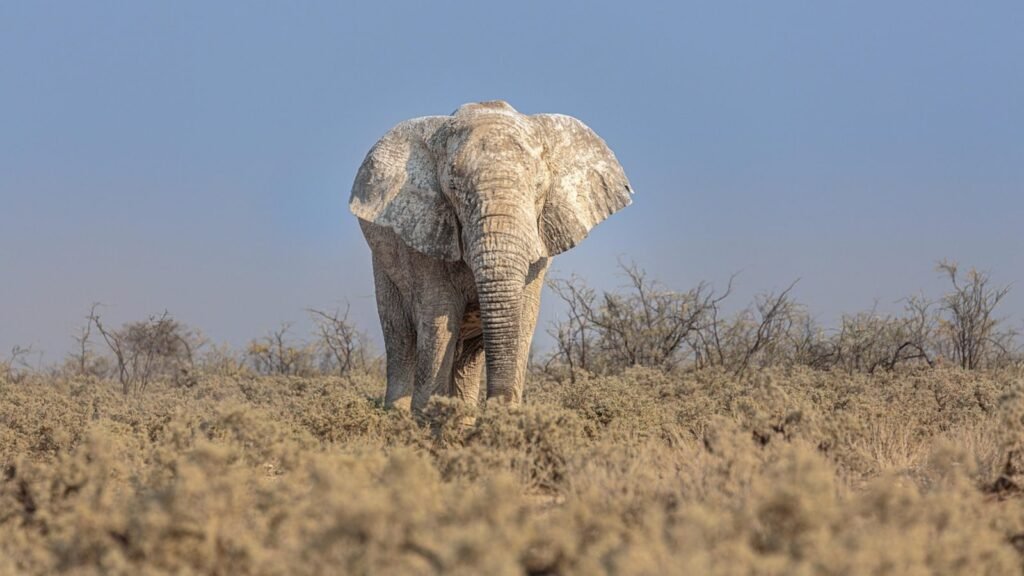
Assam, has recorded 1,147 human fatalities and 246 elephant deaths over recent decades due to intense human-elephant conflict. According to data compiled across 21 forest divisions, the worst-affected areas include the Goalpara, Sonitpur, and Udalguri districts. Experts and researchers attribute this deadly surge to rapid urbanization, shrinking natural forest covers, fragmented migratory corridors, and the aggressive expansion of human settlements and monoculture tea plantations. These developmental footprints have forced the state’s estimated 5,828 Asian elephants—one of the largest populations in India—to frequently venture into agricultural and inhabited landscapes in search of food and water, dramatically increasing the probability of fatal encounters.
The conflict exhibits a heavy seasonal pattern, peaking significantly during the monsoon and post-harvest months when agricultural activity intensifies. Studies indicate that while tea gardens often function as unintentional buffer zones, their proximity to built-up residential areas frequently results in accidental deaths on both sides, with male laborers being disproportionately affected due to nocturnal crop-guarding and outdoor farm work. To mitigate the crisis and move toward stable coexistence, the state government has been implementing targeted interventions like the “Gajah Mitra” scheme alongside community-based warning networks. Conservationists are pushing for the widespread deployment of low-voltage, elephant-friendly hanging electric fences, automated infrared trip-wire alarms to detect herd movements in real time, and the immediate restoration of legal animal corridors to prevent further tragic loss of life.
More Stories
Assam flood: Death toll rises to 78, three lakh remain affected In 7 districts
Flood Tragedy Deepens as Two Bodies Found in Sivasagar
Assam Flood Death Toll Rises to 75; CM Sarma Announces ₹9 Lakh Aid for Victims’ Families