
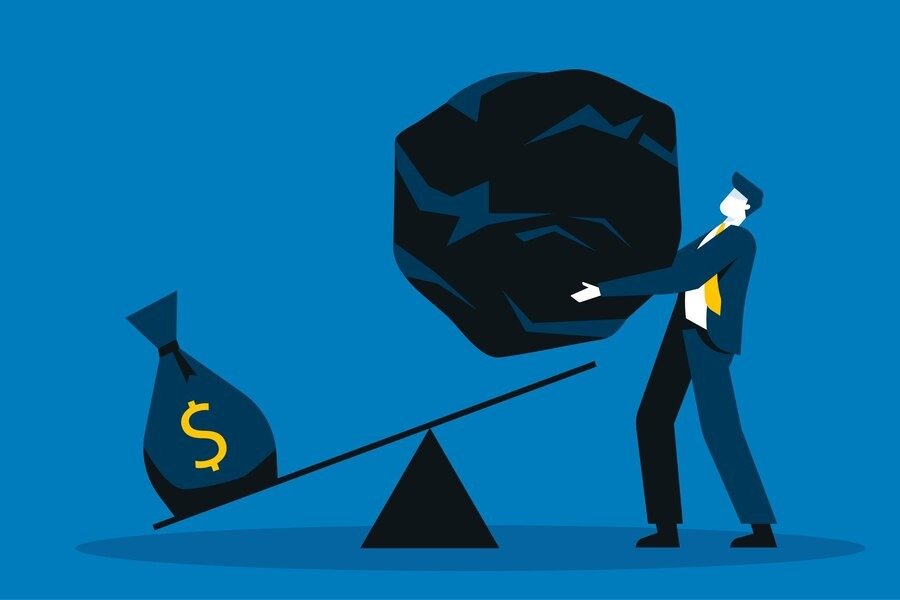
In the high-stakes theater of modern geopolitics, a nation’s survival is dictated by the interplay of leverage and time. These two forces are directly proportional: the greater a country’s strategic value, the more time it buys to adapt to global shocks. While global powers like India and the EU are currently pivoting toward long-term synergies to build this depth, the economic collapse of Lesotho highlights the fatal risks of having no leverage at all.
Lesotho, a landlocked nation of 2.3 million, became the “jeans hub of the world” by tethering its entire economic future to a single thread: duty-free access to the U.S. market via the African Growth and Opportunity Act (AGOA). At its peak, the garment sector provided 10% of the nation’s GDP. However, this niche proved to be a “fragile strength.”
The 2025 return of Donald Trump and the subsequent “Liberation Day” tariffs—a staggering 50% levy later adjusted to 15%—effectively decapitated Lesotho’s industry. Without the diversified leverage or the “strategic time” that larger players like India or Vietnam possess to negotiate or subsidize, Lesotho has officially declared a “state of disaster.” The crisis serves as a grim reminder that in an era of shifting trade winds, specialization without strategic leverage is merely a recipe for vulnerability.
More Stories
Historic and Modern Tokyo in Focus at Nepal Art Council Gallery
Western Disturbance Brings Cloud Cover, Light Rain and Snowfall to Hills
Nations Celebrate Linguistic Diversity on International Mother Language Day