
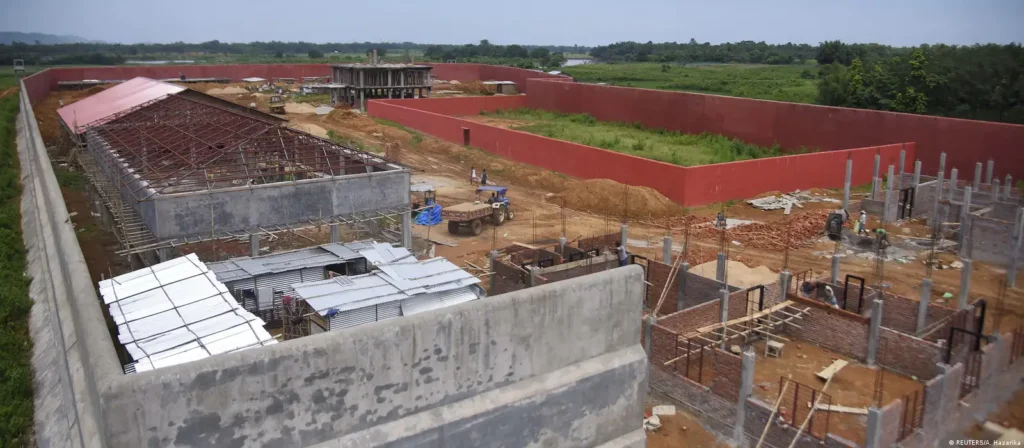
In tandem with its newly adopted “detect, delete, deport” policy, the West Bengal government is actively drawing structural and logistical lessons from Assam as it lays the groundwork to construct its first dedicated detention centres for undocumented immigrants. Following the administrative shift toward an aggressive crackdown on illegal Bangladeshi nationals, state home department officials have begun evaluating the operational history, legal frameworks, and human rights controversies surrounding Assam’s massive transit camps—most notably the Matia transit camp in Goalpara. The move marks a definitive departure from West Bengal’s historical resistance to setting up such facilities, signaling a rapid tightening of border-state enforcement mechanisms.
Administrative sources indicate that West Bengal’s planned facilities will look to correct the critical design and human rights vulnerabilities that plagued Assam’s earlier detention models. Key focus areas include ensuring clear legal separation between standard criminal prisons and immigration holding centres, establishing distinct judicial oversight to prevent indefinite detentions without a clear path to deportation, and addressing the immense fiscal strain that long-term facility maintenance places on state budgets. As the state public works and home departments scout potential land parcels in districts close to the international border, civil rights groups have raised sharp concerns, warning that replicating Assam’s infrastructure risks creating severe legal quagmires and humanitarian crises over citizenship verification.
More Stories
Assam Cabinet Approves Study Visit to Tackle Rising Monkey Problem
Assam Sets Target to Boost Critically Endangered Pygmy Hog Population to 300 by 2040
Renewable Energy Boost for Dampa Villages, Supporting Communities and Conservation