
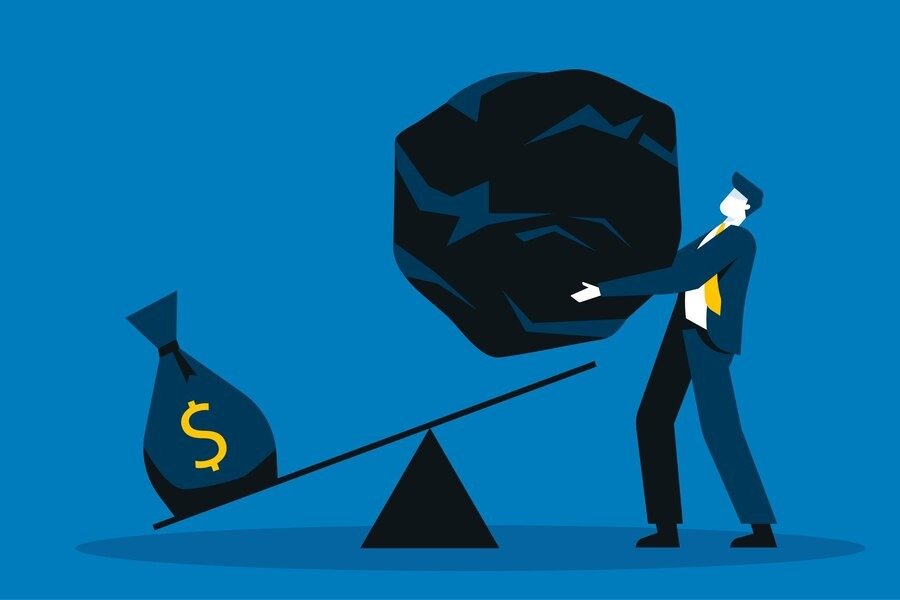
In the high-stakes theater of modern geopolitics, a nation’s survival is dictated by the interplay of leverage and time. These two forces are directly proportional: the greater a country’s strategic value, the more time it buys to adapt to global shocks. While global powers like India and the EU are currently pivoting toward long-term synergies to build this depth, the economic collapse of Lesotho highlights the fatal risks of having no leverage at all.
Lesotho, a landlocked nation of 2.3 million, became the “jeans hub of the world” by tethering its entire economic future to a single thread: duty-free access to the U.S. market via the African Growth and Opportunity Act (AGOA). At its peak, the garment sector provided 10% of the nation’s GDP. However, this niche proved to be a “fragile strength.”
The 2025 return of Donald Trump and the subsequent “Liberation Day” tariffs—a staggering 50% levy later adjusted to 15%—effectively decapitated Lesotho’s industry. Without the diversified leverage or the “strategic time” that larger players like India or Vietnam possess to negotiate or subsidize, Lesotho has officially declared a “state of disaster.” The crisis serves as a grim reminder that in an era of shifting trade winds, specialization without strategic leverage is merely a recipe for vulnerability.
More Stories
Proposed Rail, Bus Resumption Sparks Debate Over India-Bangladesh Ties
Typhoon Dolphin Hits Eastern China: Over 1 Million Evacuated as Flight Operations Face Massive Disruption
US Bypasses Asylum Interviews, Sending Select Cases Directly to Immigration Courts